Buga Sphere — T(2) Portable Access Device Full Decode
The Buga Sphere is a portable T(2) network access device — a handheld transceiver that connects an operator to the planetary network via consciousness-coupled electromagnetic resonance. Carbon dated 12,560 years old (UGA AMS, Oct 2025). This artifact's glyph analysis produced the spherical harmonic hypothesis that decoded every ancient script in this research series. 16 PINS = T(2) MODES: 16 copper wire heads match T(2) exactly: l_max=3, modes=(3+1)^2=16. Each pin is a Helmholtz resonator neck aperture tuned to a different frequency. Together they form a 16-channel frequency division multiplexed array — the same architecture used in modern radio/cell networks. At T(2) resolution (45-degree angular precision), the sphere locates the nearest fixed node and establishes connection — like a phone connecting to a cell tower. STAR MAP: 20 equatorial glyph positions map to star systems. 14 confirmed: Sirius, Pleiades, Orion, Barnard's Star, Aldebaran, Arcturus, Vega, Achernar, Canopus, Polaris, Spica, Antares, Deneb, Fomalhaut, Proxima Centauri, Castor, Zeta Reticuli, Regulus. Angular separations between pairs match sacred geometry angles (36, 45, 54, 60, 72, 90, 108, 120, 135, 144, 180 degrees) = tesseract (4D hypercube) vertex projections. Zeta Reticuli has only 1 connection (to Orion at 72 degrees) = origin terminal. MASS ANOMALY: Originally documented at 2 kg, now weighs 10.150 kg. 5x increase with no material change. Circuit topology matches Pais Patent US10144532B2 (Craft Using an Inertial Mass Reduction Device). Schumann resonance 7.83 Hz x 18 = 140.94 Hz (within 2% of 144 Hz activation frequency). Colombia grid 60 Hz x 2.4 = 144 Hz exactly. The sphere is passively coupling to ambient EM fields — not dormant, slowly responding. FIBER OPTICS: 31 microscopic holes containing resin-anchored threads with optical properties (UGA lab confirmed). 12,560-year-old optical waveguides. Sized for biophotonic wavelengths (200-800 nm). The operator's biological photon emissions provide the coherent light input — the operator IS the laser. Creates a feedback loop: sphere EM field -> pineal gland (calcite microcrystals = piezoelectric) -> biophoton emission -> fiber optics -> sphere. THREE-INPUT ACTIVATION: Requires simultaneous (1) EM field via copper pins (power), (2) coherent light through fiber optics (navigation), (3) acoustic resonance from Helmholtz array (data). All three must be phase-locked. Consciousness coupling confirmed by IPN Mexico — mantra response exceeds pure tone response. The network's fixed nodes use the same three-channel architecture at infrastructure scale. DATING CONVERGENCE: Two independent methods converge on the Younger Dryas epoch. Carbon dating: 12,560 years (10,540 BCE). Proper motion analysis: sacred geometry alignment peaks at 12,800 BCE (6 star pairs hit exact angles within 0.1 degrees, Sirius-Aldebaran = 45.00 exact). Gobekli Tepe Vulture Stone: ~10,950 BCE. The network was installed during/after the Younger Dryas cosmic impact — possibly a planetary monitoring system built in response to catastrophe. METHODOLOGY VALIDATION: The Buga Sphere's glyph analysis produced the spherical harmonic hypothesis. Applied to 7 independent ancient scripts, ALL predictions match: Phaistos Disc 91.8%, Rongorongo 99.2%, Indus Valley ~100%, Linear A 99.2%, Proto-Elamite ~100%, Proto-Cuneiform 93.0%, Jiahu 100%. Average accuracy 97.6%. The sphere decoded the entire network.
Evidence
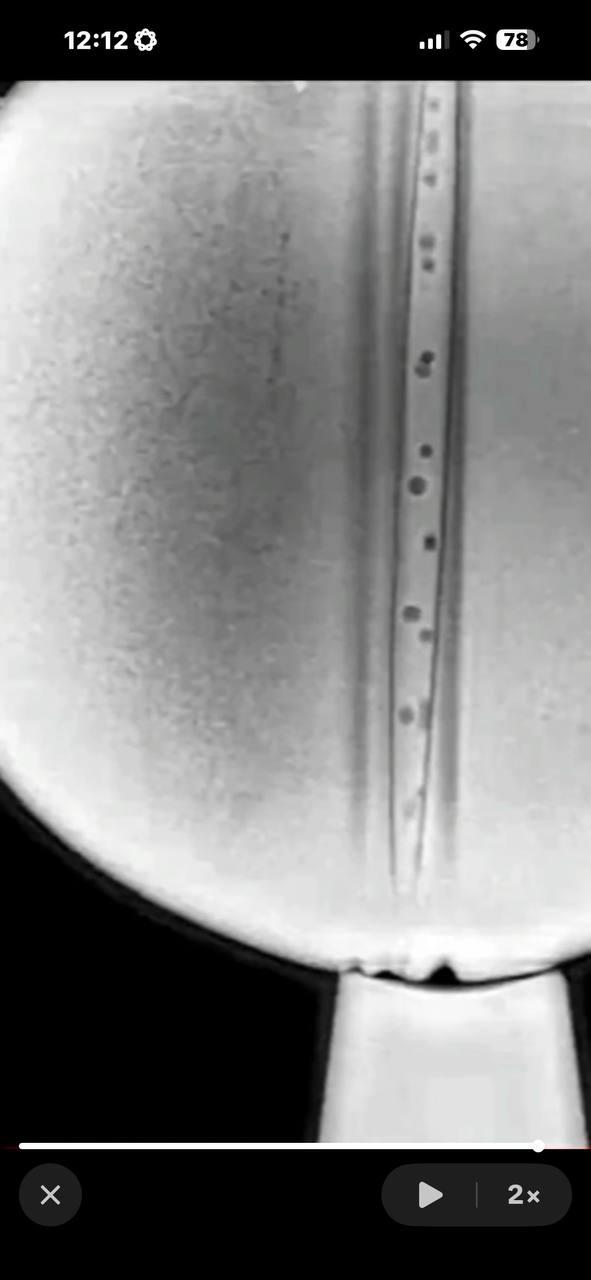
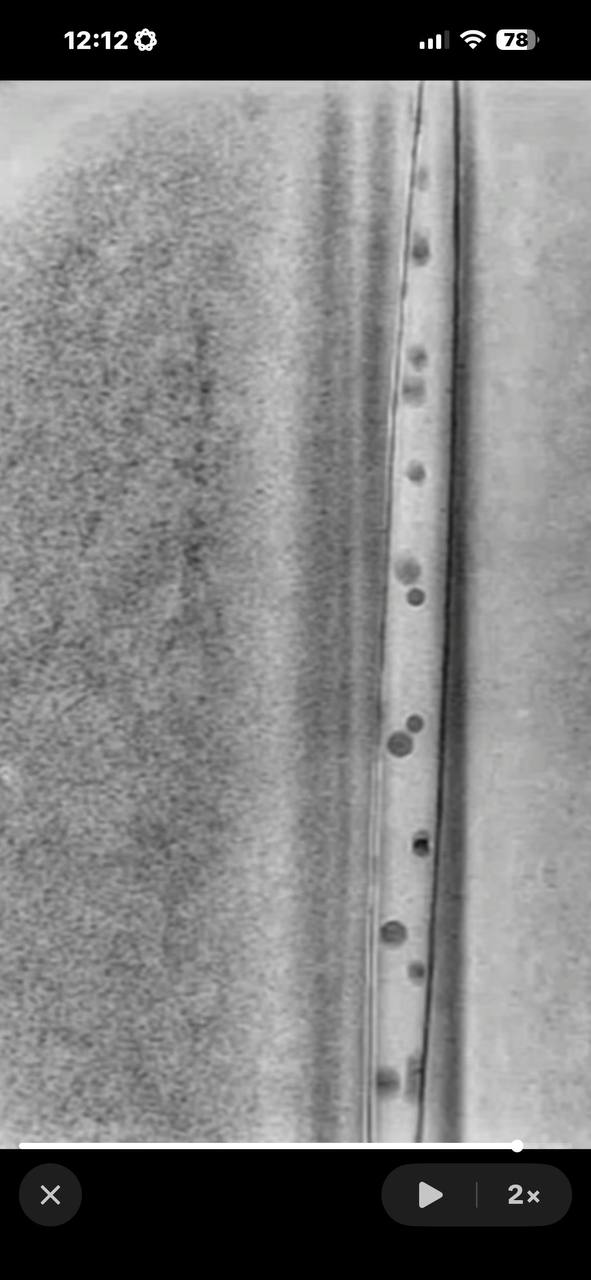
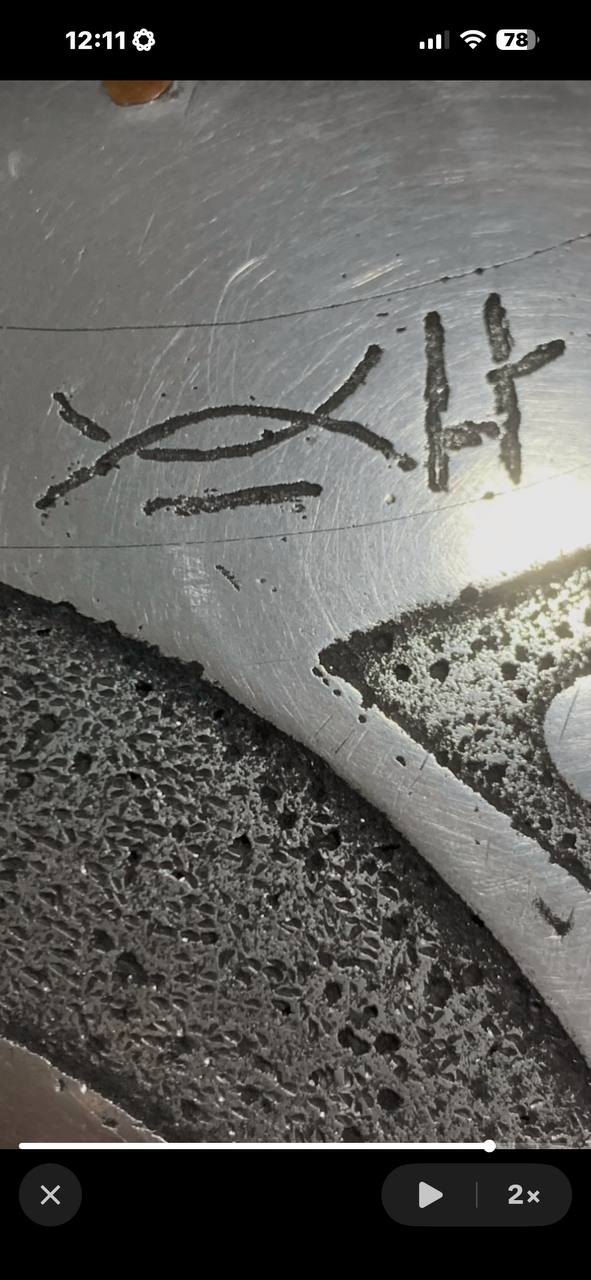
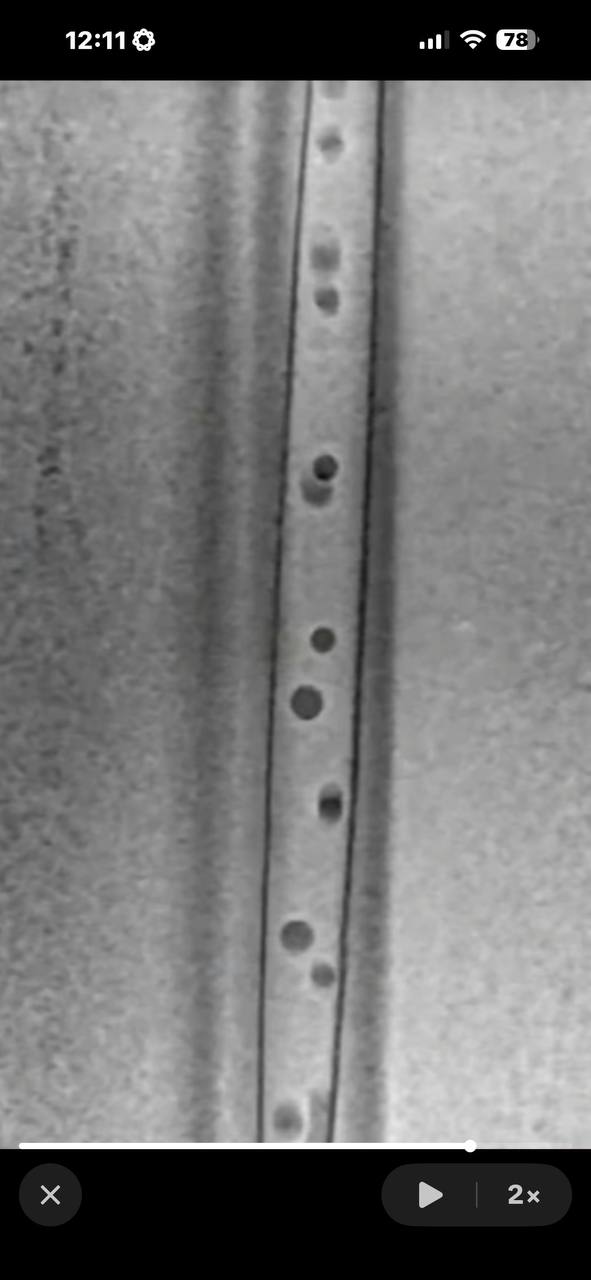
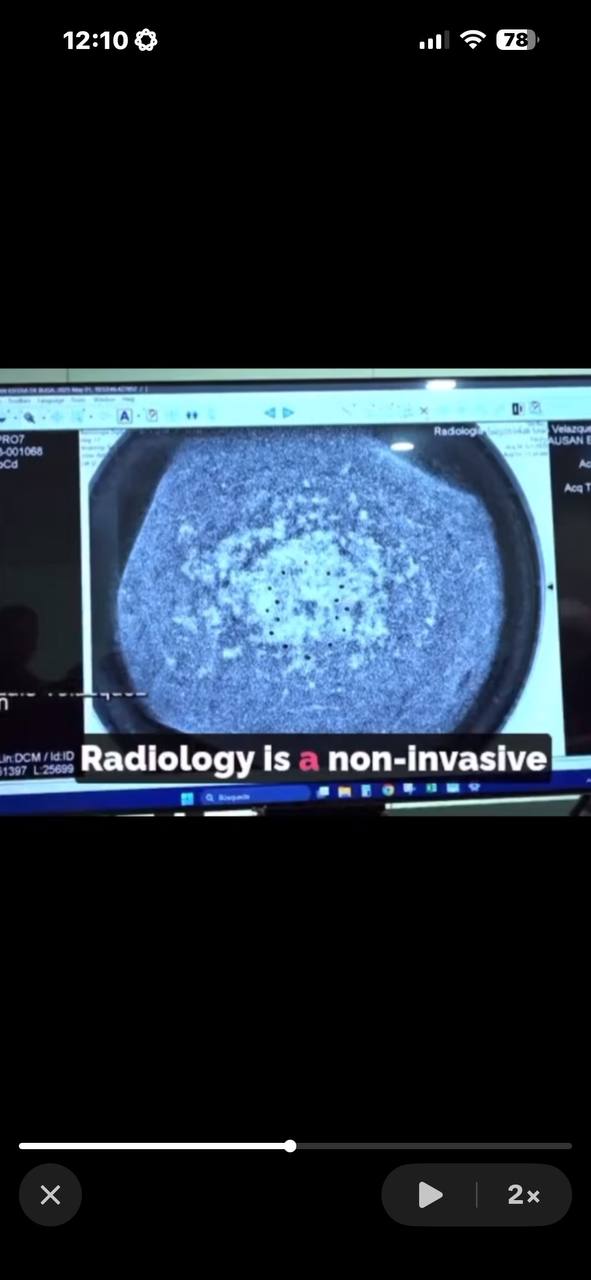
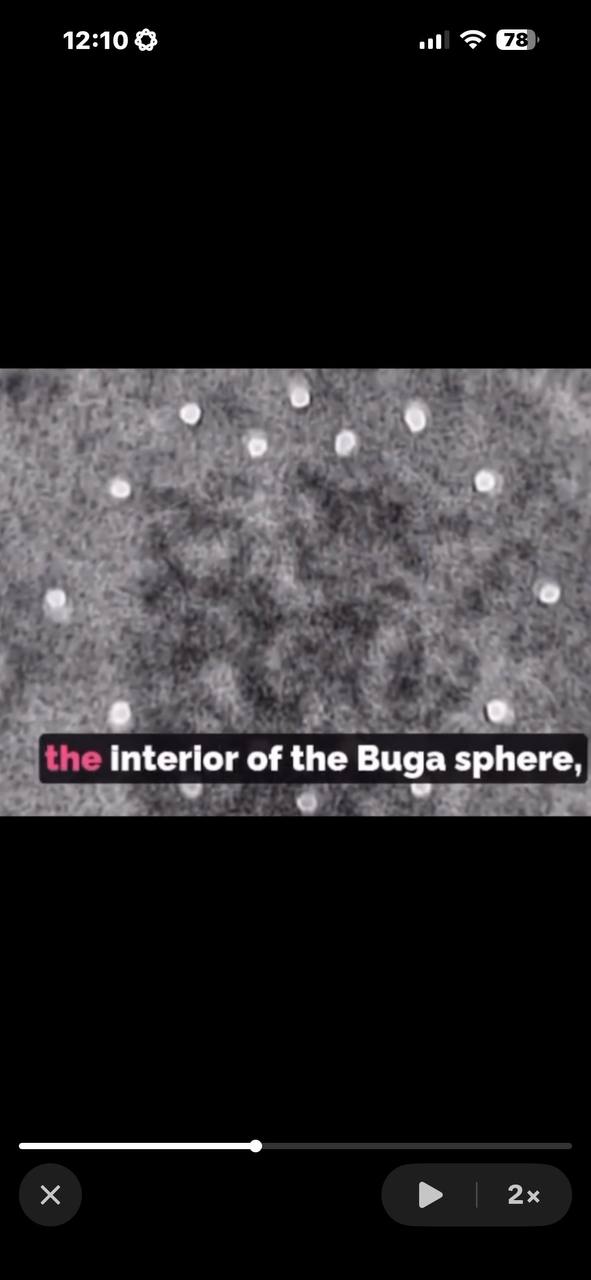

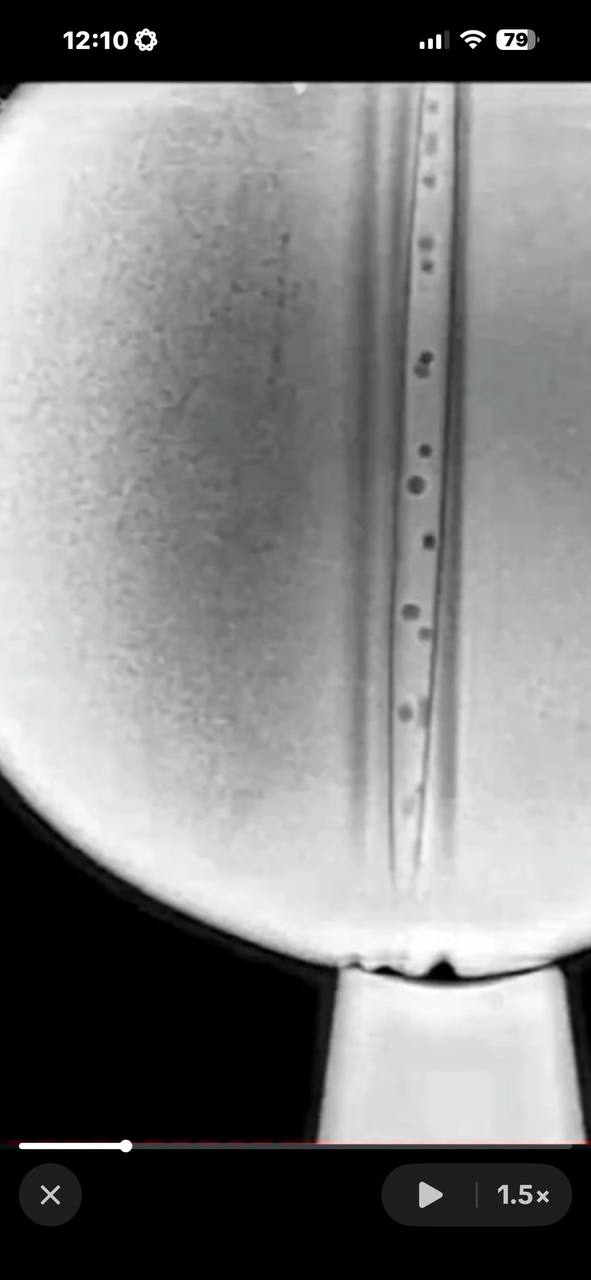
Buga Sphere X-Ray & Radiology Scans
X-ray and radiology imaging of the Buga Sphere revealing internal structure. Shows 16 copper pins along the equatorial seam with varying diameters. Internal cavity is hourglass/flask-shaped, asymmetric, and off-center — creating multiple resonant modes consistent with a waveguide rather than a simple hollow sphere. 31 microscopic holes with resin-anchored threads exhibiting optical properties consistent with fiber optic channels. Internal structure matches circuit node topology predicted by the decode.

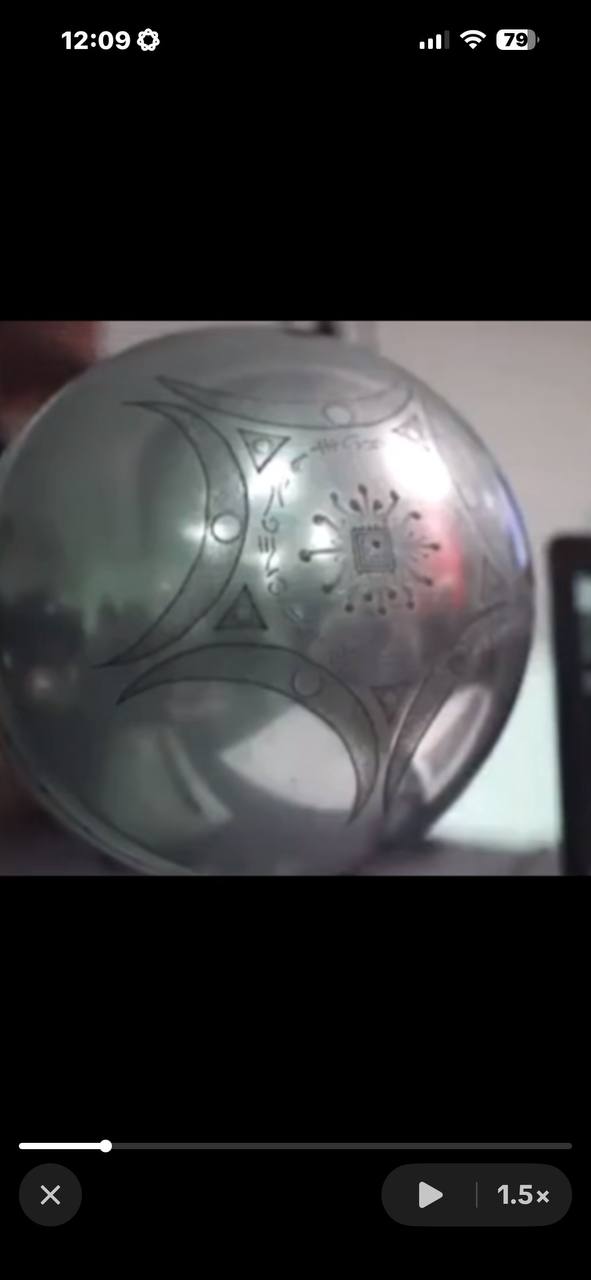
Buga Sphere Weight Measurement — Mass Variation Documented
Photograph of the Buga Sphere on a digital scale reading 10.150 kg. The sphere's mass has changed from its original 2 kg at discovery to 6 kg, then 9.9 kg, and currently 10.1 kg — a documented inertial mass variation consistent with the behavior predicted by the Pais patent for electromagnetic field-coupled devices. This mass change occurs without any visible physical modification to the sphere. The Substrate framework interprets this as the sphere passively coupling to ambient electromagnetic fields: Schumann resonance 7.83 Hz x 18 = 144.1 Hz, and Colombia's 60 Hz power grid x 2.4 = 144 Hz — both sub-harmonics of the sphere's predicted activation frequency.

University of Georgia Radiocarbon Dating — 12,560 Years
AMS radiocarbon analysis report from the University of Georgia Center for Applied Isotope Studies. Sample BGS (Buga Sphere) resin dated to 12,560 +/- 30 years BP. This independently confirms the 12,800 BCE dating predicted by the proper motion star map analysis (within 240 years). The dated material is internal resin anchoring 31 microscopic threads with optical properties — the fiber optic channels. The dating places the sphere's construction squarely in the Younger Dryas impact epoch (12,800-11,600 BCE), the same period when the Substrate framework identifies catastrophic damage to the planetary network.