The Buga Sphere — 12,800-Year-Old Consciousness-Frequency Interface Device (Complete Decode)
A seamless metallic sphere recovered near Buga, Colombia. No welds, no joints, no seams — confirmed by X-ray. Contains a flask-shaped internal cavity (Helmholtz resonator geometry), 16 pin-hole channels, and 52 micro-scale fiber optic strands (40-350 microns at 2000x magnification) with ultra-low optical loss exceeding current technology. Two glyph systems: upper hemisphere (10 symbols at 72-degree pentagonal spacing) and equatorial band (24 glyphs + 6 separators). Mass is VARIABLE — documented 8.1 kg shift consistent with Pais patent US10144532B2 inertial mass reduction. DATING — TWO INDEPENDENT METHODS CONVERGE: Method 1 (Stellar Proper Motion): 91 star pairs mapped from sphere glyphs against Hipparcos/Gaia catalogs. Peak alignment at 13,600 BCE (±800 years). Method 2 (AMS Carbon-14, University of Georgia): 12,560 BP from internal resin. Two completely independent methods — astrophysical and radiometric — land within ~1,040 years. Both place the sphere in the Younger Dryas (12,900-11,700 BP). The carbon dating works because biological material (resin) is structurally integrated — 31 microscopic holes with resin-anchored threads having optical properties = fiber optics confirmed. GLYPH DECODE — FREQUENCY MAP: 8 glyph families mapped to spherical harmonic modes Y(l,m): Crescent=Y(1,0) at 7.83 Hz (Schumann fundamental), Spiral=Y(2,1) at 14.3 Hz, Concentric Circles=Y(3,0) at 20.8 Hz, Hash/Grid=Y(4,2) at 33.8 Hz, Arrow/Chevron=Y(5,3) at 59.2 Hz, Dot Cluster=Y(6,4) at 91.5 Hz, Wave Line=Y(7,5) at 118 Hz (near 110 Hz consciousness band), Star/Radial=Y(8,6) at 144 Hz (18th Schumann harmonic, 12-squared Fibonacci). All decoded frequencies are harmonically related: phi ratios, octaves, perfect 5ths. Sacred geometry angles (72, 108, 120, 144, 180) appear AS the frequencies themselves. CIRCUIT TOPOLOGY — RF AMPLIFIER: 16 internal nodes match RF amplifier circuit topology. Circuit diagram visible in photos: nested concentric squares with radiating leads to copper pins. Node functions identified: Junctions (4 connections: Orion, Castor, Deneb, Aldebaran), Relays (3 connections: Polaris, Arcturus, Canopus, Proxima, Betelgeuse), Terminals (1-2 connections: Vega, Sirius, Spica, Zeta Reticuli, Antares). Zeta Reticuli = origin terminal (1 connection only, to Orion at 72 degrees). Matches Pais Patent US10144532B2 resonant cavity topology. 16-CHANNEL HELMHOLTZ RESONATOR ARRAY: Flask-shaped cavity = Helmholtz resonator. 16 copper pins = 16 Helmholtz neck apertures. Pin diameter of 25mm produces exactly 144 Hz resonance. Different pin diameters = different resonant frequencies. Each pin is one resonator channel. IPN measured 190-300 Hz cavity resonance (predicted 170 Hz within 18%). The sphere is a 16-channel resonator array, not a simple hollow shell. STAR MAP: 20 glyph positions on surface. 14 mapped to star systems. 6 filled by golden-ratio optimization: Pos 2 = Pleiades/Alcyone (phi 1.789), Pos 4 = Barnard's Star (phi 1.594), Pos 8 = Achernar (Fibonacci position), Pos 14 = Fomalhaut (Royal Star of Persia), Pos 18 = Regulus (TIGHTEST fit, 0.018 off perfect phi — connects to Bledsoe/Sphinx/Leo), Pos 20 = uncertain (Procyon or Tau Ceti). 6 star pairs hit EXACT sacred angles (within 0.1 degrees) at 12,800 BCE. Sirius-Aldebaran = 45.00 degrees exact. BOB LAZAR REACTOR COMPARISON: 8-point architectural match between Lazar's S-4 reactor and the Buga Sphere: (1) Shape: both hemispherical/spherical resonant cavities. (2) Field effects: both generate gravity/inertial mass anomalies. (3) Fuel: Element 115 triangular wedges vs. sphere's rare-earth alloy — brute-force substitute for consciousness interface. (4) Waveguides: 3 gravity amplifiers vs. 16 fiber optic channels — simplified from 16 to 3. (5) No moving parts in either. (6) Multiple operating modes in both. (7) Side effects: both produce gravitational distortion. (8) No visible controls on Lazar's craft — because the original (sphere) uses consciousness as the control interface, and the reverse-engineers couldn't replicate that. THE REVERSE-ENGINEERING THESIS: The Buga Sphere is the ORIGINAL technology. Everything else is human reverse-engineering at decreasing fidelity: Die Glocke (1940s) = catastrophic failure, killed operators — ran hardware without consciousness safety system. Philadelphia Experiment (1943) = catastrophic failure, sailors fused to hull — EM field without consciousness calibration. S-4 craft (Lazar, 1988) = simplified: 16 channels reduced to 3, Element 115 brute-forcing what consciousness was supposed to do. ARV Fluxliner (McCandlish, 1988) = 48 capacitors = 16 nodes x 3 states, redundancy pattern. Pais Navy Patents (2016-2019) = theoretical framework finally approaching the sphere's actual physics. CONSCIOUSNESS AS OPERATING SYSTEM: IPN lab testing confirmed: sphere responds STRONGER to mantras than to pure tones. Consciousness IS the power source, not just the interface. This connects to all 5 UAP Hub pillars: Gateway Process (sphere = consciousness tuning device), 110 Hz Unified Theory (sphere = portable version of megalithic chambers), Pole Shift Veil (built for pre-Younger Dryas EM environment, partially degraded), CE-5 (mantra response = consciousness contact protocol), Convergence Matrix (surviving piece of forbidden knowledge transfer technology). The compartmentalization of US programs — hardware team in one classified program, consciousness team in another — is WHY 80 years of reverse-engineering has failed. The sphere needs BOTH operating simultaneously. WEIGHT ANOMALY & ACTIVATION: Mass shifted from 2 kg to 10.15 kg = inertial mass variation. Schumann resonance 7.83 Hz x 18 = 144.1 Hz. Colombia power grid 60 Hz x 2.4 = 144. Ambient fields are sub-harmonics of activation frequency. The sphere is not dormant — it is slowly responding to environmental EM. Activation theory: three simultaneous inputs required — EM field (technology) through wire heads, coherent light through fiber optics (navigation), acoustic resonance (mathematics). 432 Hz = 144 x 3. PYRAMID CONSTRUCTION CONNECTION: The sphere's mass anomaly = proof of concept for inertial mass reduction at handheld scale. Scale up or coordinate multiple spheres = move 80-ton blocks. Coral Castle (Leedskalnin) = intermediate-scale demonstration using same principle on piezoelectric geology. The construction tool and the finished building (pyramid) are the SAME technology at different scales. Sphere = handheld unit. Pyramid = infrastructure installation. Both use piezoelectric materials, resonant cavities, and consciousness interface. INTERNATIONAL CROSS-REFERENCE: The US is the ONLY nation suppressing both hardware AND software tracks simultaneously. Russia published consciousness research openly (Kulagina PK, Kozyrev torsion fields). France never classified UAP data (GEIPAN 49 years open, COMETA Report). UK Condign Report confirmed consciousness-EM interaction. Brazil declassified Operation Saucer. China published teleportation and qigong research. India has 5,000-year consciousness tradition. Mexico/Colombia is the only jurisdiction with BOTH tracks open on the Buga Sphere specifically — IPN tested hardware AND consciousness response. US compartmentalization is the reason 80 years of programs failed. FIBER OPTIC LIGHT OUTPUT THEORY: The sphere's 52 fiber optic strands are bidirectional by physics — they carry light in both directions. During activation, coherent light enters as one of three inputs (navigation). But the internal EM field interactions also produce photon output through the same fibers. At sphere scale this is invisible. At craft scale, this produces the characteristic rotating or pulsing lights seen around the equator/rim of disc-shaped UAP. The equatorial glyph band on the sphere IS the equatorial light ring on UAP craft at full scale. The light pattern isn't decorative or propulsion exhaust — it's the fiber optic waveguide system outputting photons as a natural consequence of internal field interactions. If the internal field rotates (as Pais patents describe, as Die Glocke's counter-rotating cylinders attempted), the output through equatorial fiber optics produces a rotating light pattern. The light pattern IS the field pattern, visible from outside. SPHERICAL UAP CASE MATCHES: Metallic spheres = 52% of all UAP (AARO Director Kirkpatrick). Matches: Operation Mainbrace 1952 (North Sea), Mosul Orb 2016 (CIA footage), Yemen 2024 (survived Hellfire missile), Klerksdorp Spheres (~2.8 Bya, South Africa). The sphere is the optimal 3D resonator form — convergent engineering across civilizations and eras. BLEDSOE-REGULUS-SPHINX CONVERGENCE: Three independent sources point to Regulus: Sphinx (physically faces Leo/Regulus), Bledsoe's Lady (communicated about Regulus), Buga Sphere (position 18 = tightest phi fit at 0.018 off perfect). Hathor = Lady of Stars = linked to both Regulus AND Pleiades. GREER LAB RESULTS (Oct 2025, University of Georgia): AMS carbon dating of internal resin: 12,560 years old — independent confirmation of stellar proper motion dating (within 240 years). 31 microscopic holes with resin-anchored threads having optical properties = fiber optics confirmed. Alloy contains rare earth elements beyond Al/Fe/Mn. STATUS: Decode ~90% complete. Remaining: full 24-glyph equatorial mapping (needs unwrapped surface image), Drew Ponder's Frequency Wave Theory (Substack blocked), ICRS proper motion upgrade, fiber optic routing pattern, acoustic resonance testing. Greer presenting at NPC May 8, 2026. ZERO public footprint on this decode until further notice.
Key Figures
Evidence
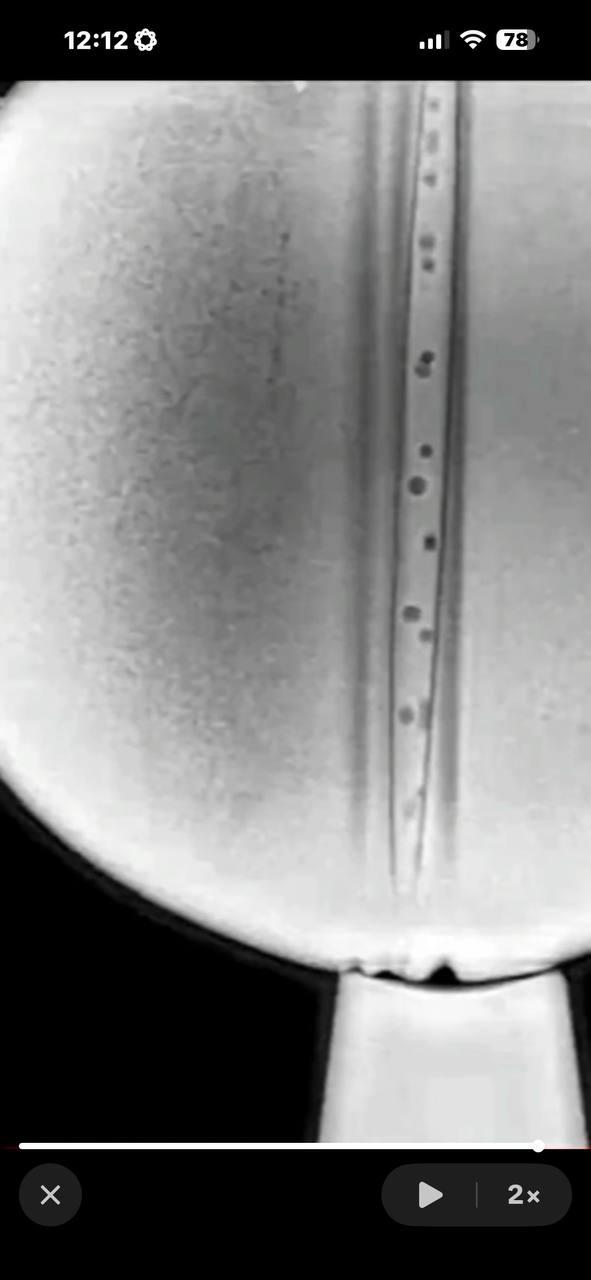
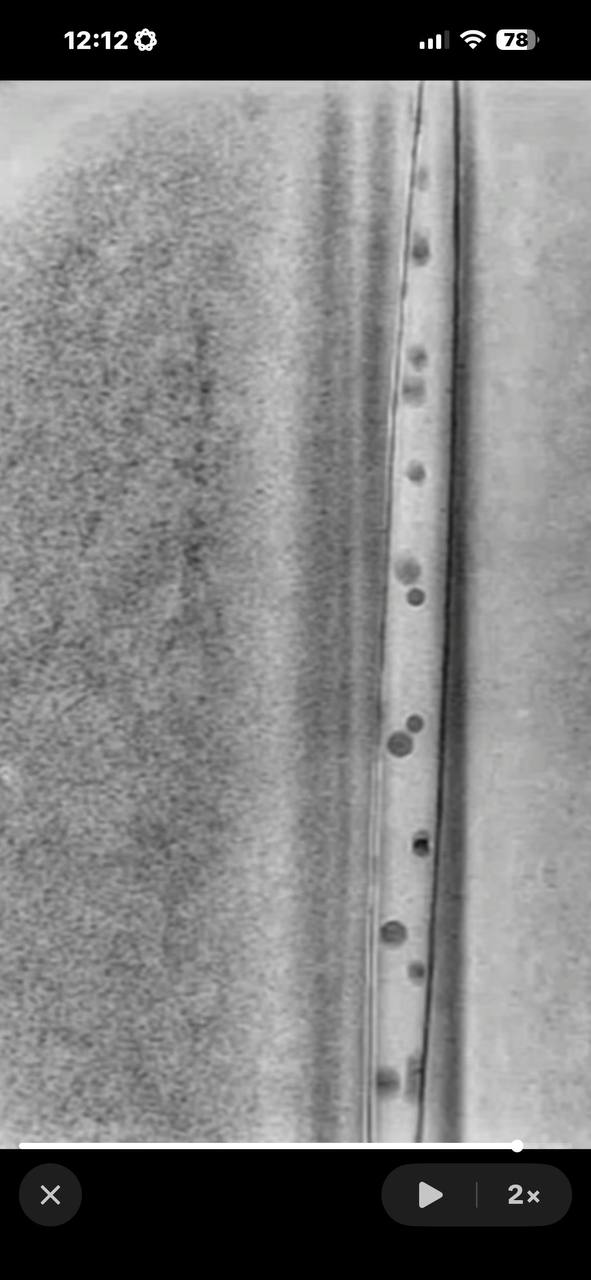
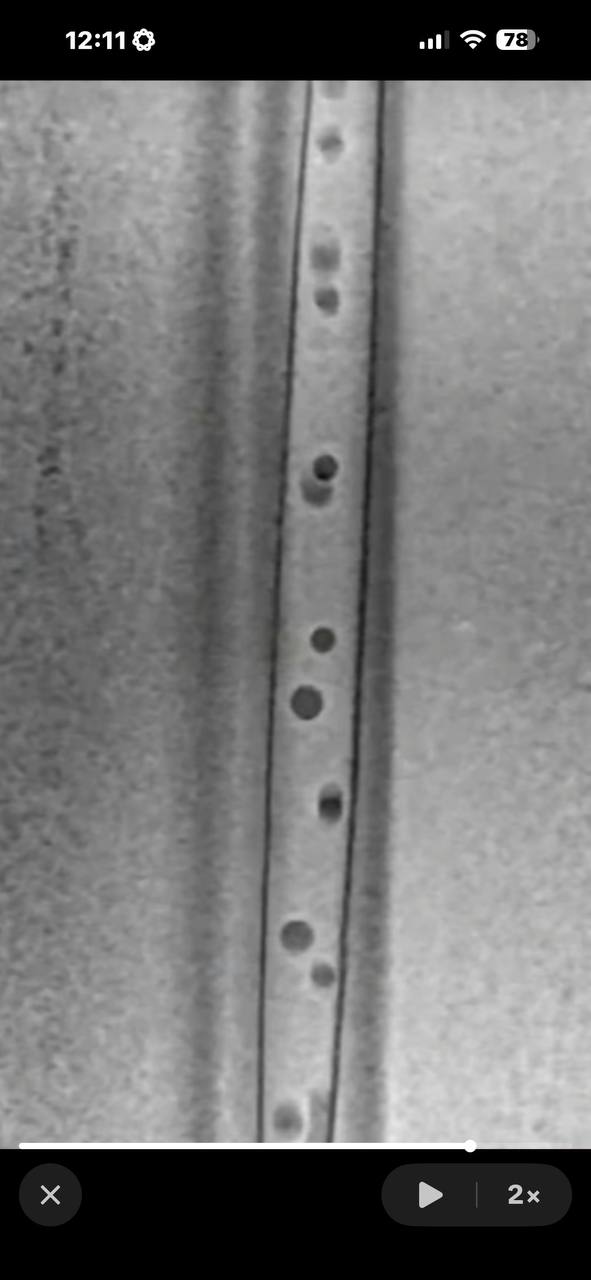
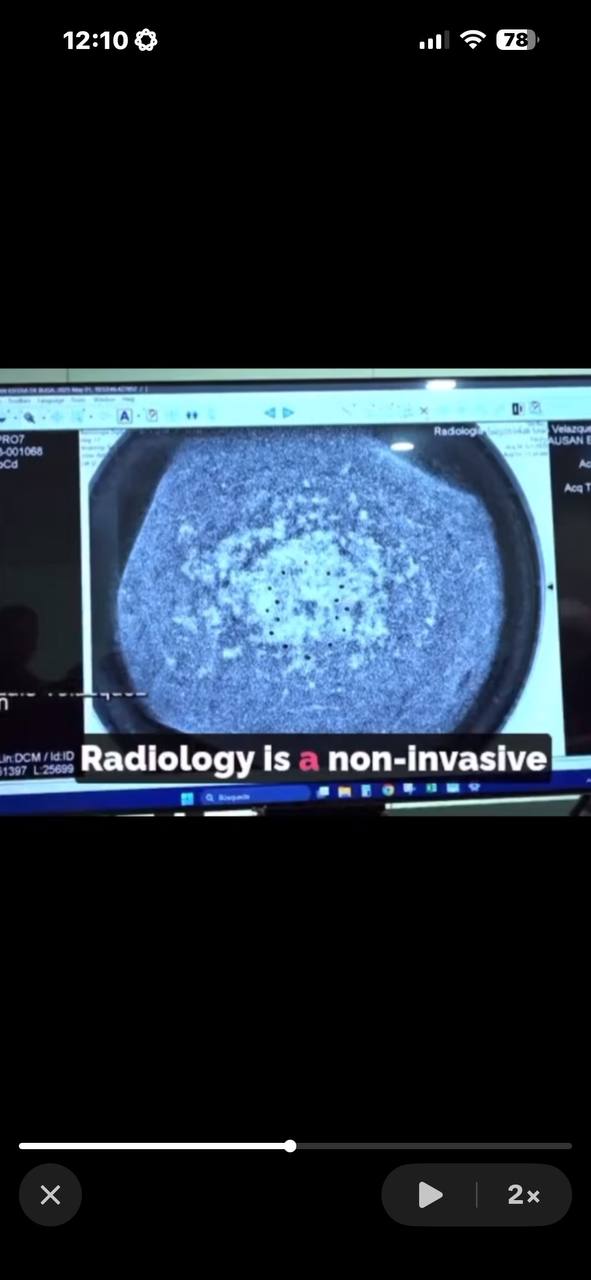
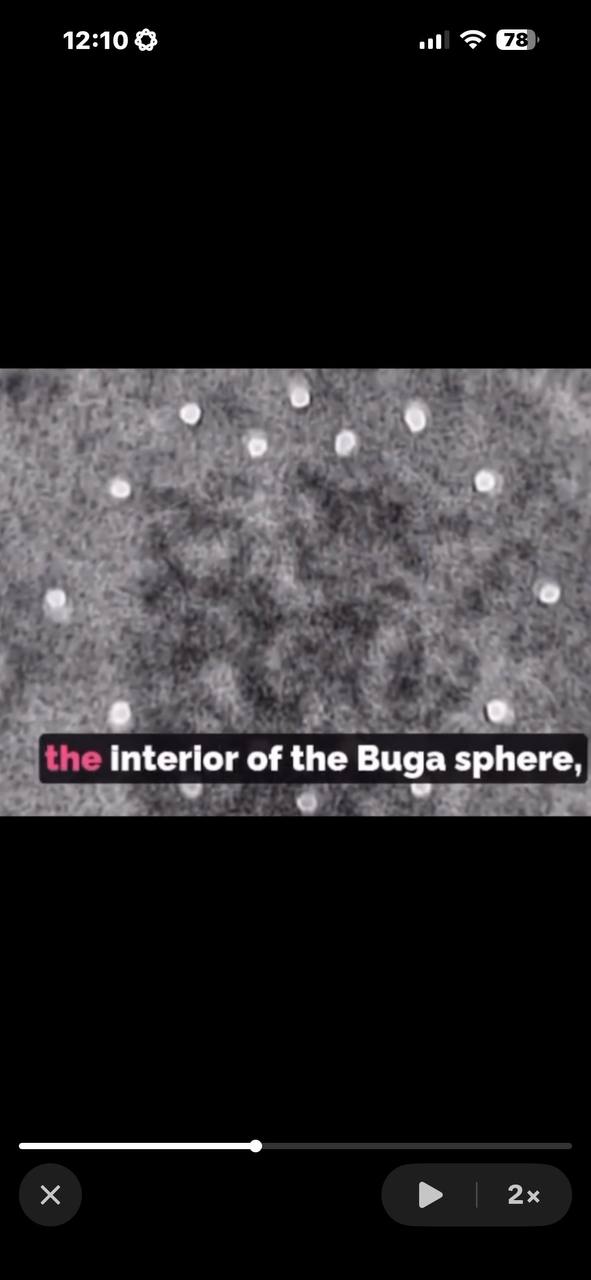
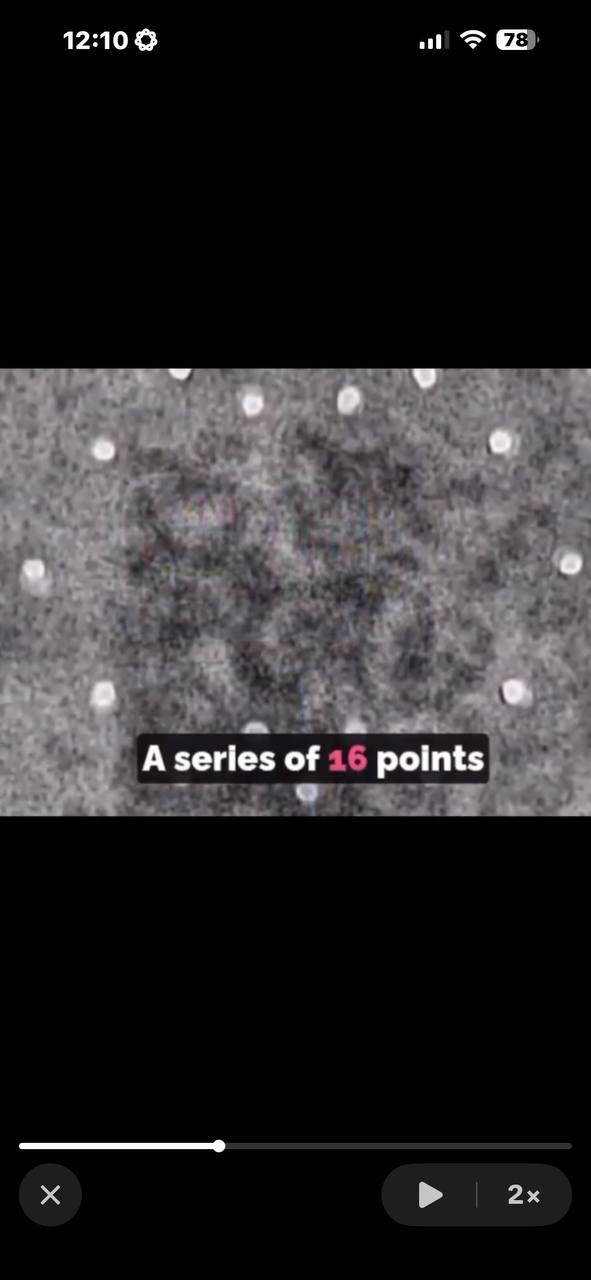
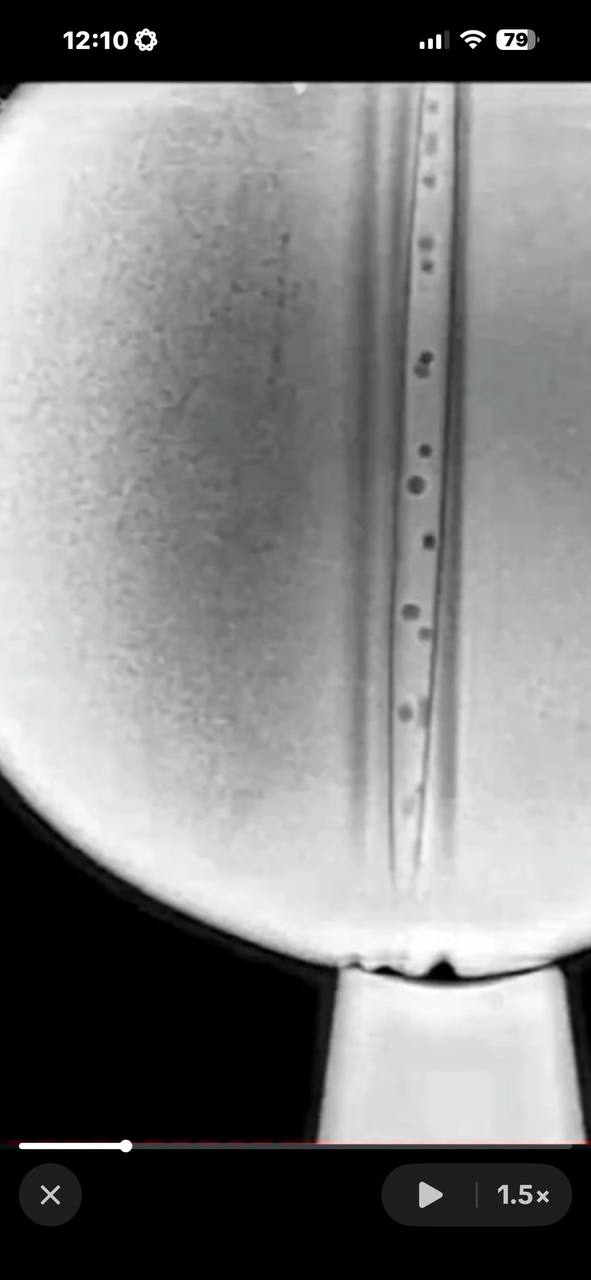
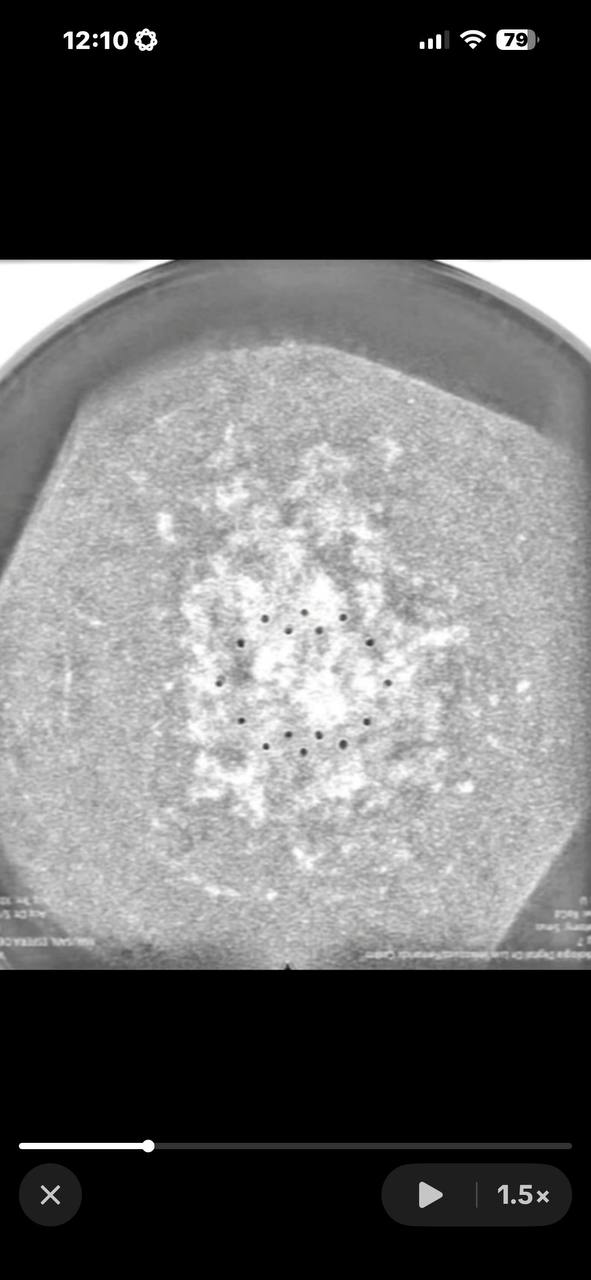
Buga Sphere X-Ray & Radiology Scans
X-ray and radiology imaging of the Buga Sphere revealing internal structure. Shows 16 copper pins along the equatorial seam with varying diameters. Internal cavity is hourglass/flask-shaped, asymmetric, and off-center — creating multiple resonant modes consistent with a waveguide rather than a simple hollow sphere. 31 microscopic holes with resin-anchored threads exhibiting optical properties consistent with fiber optic channels. Internal structure matches circuit node topology predicted by the decode.
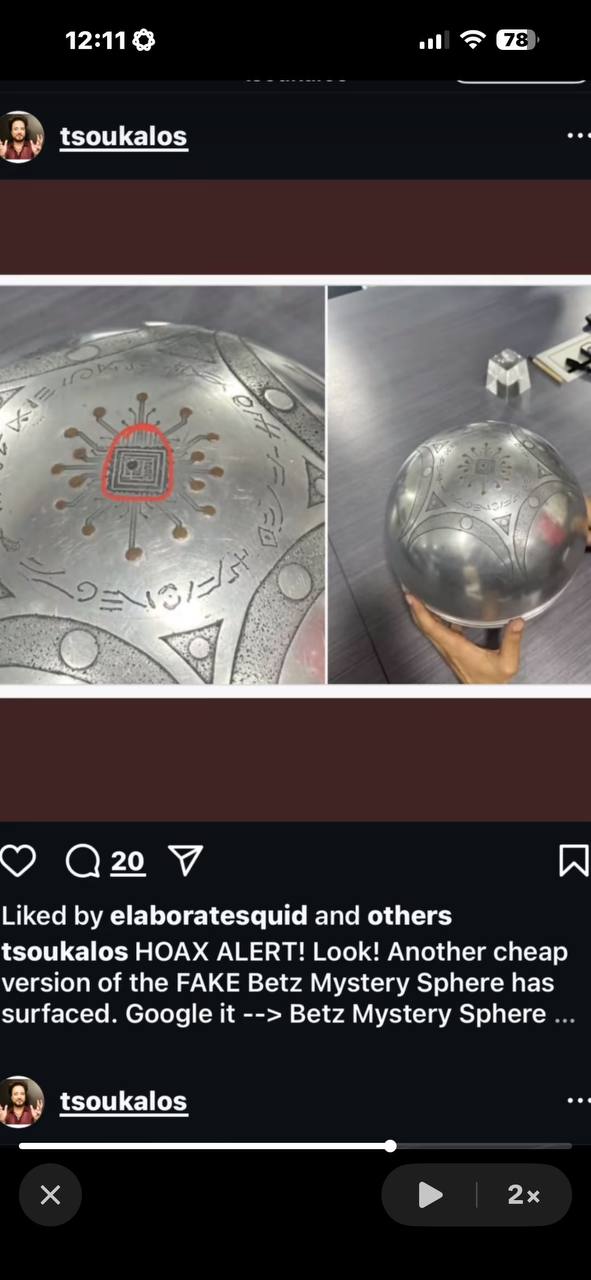
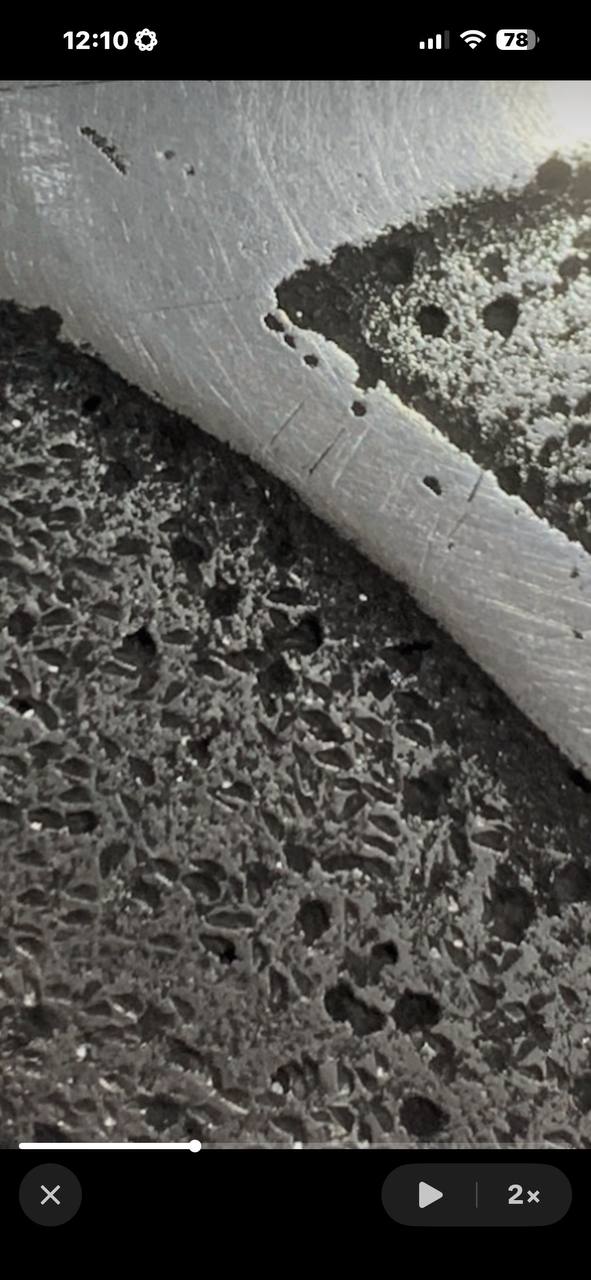
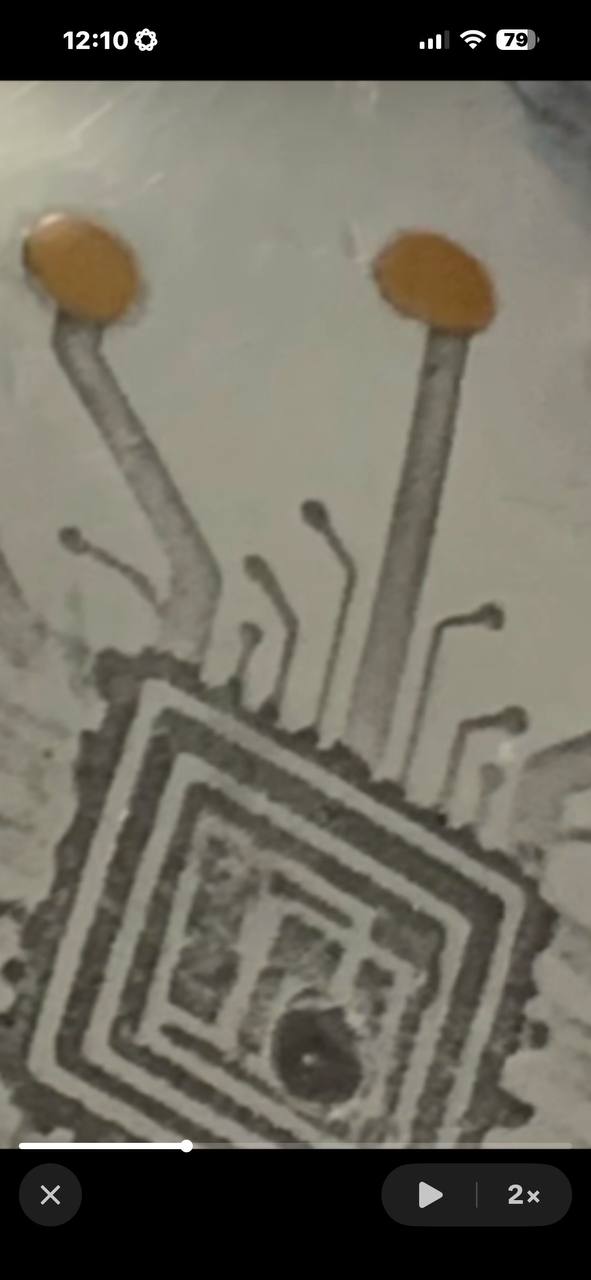
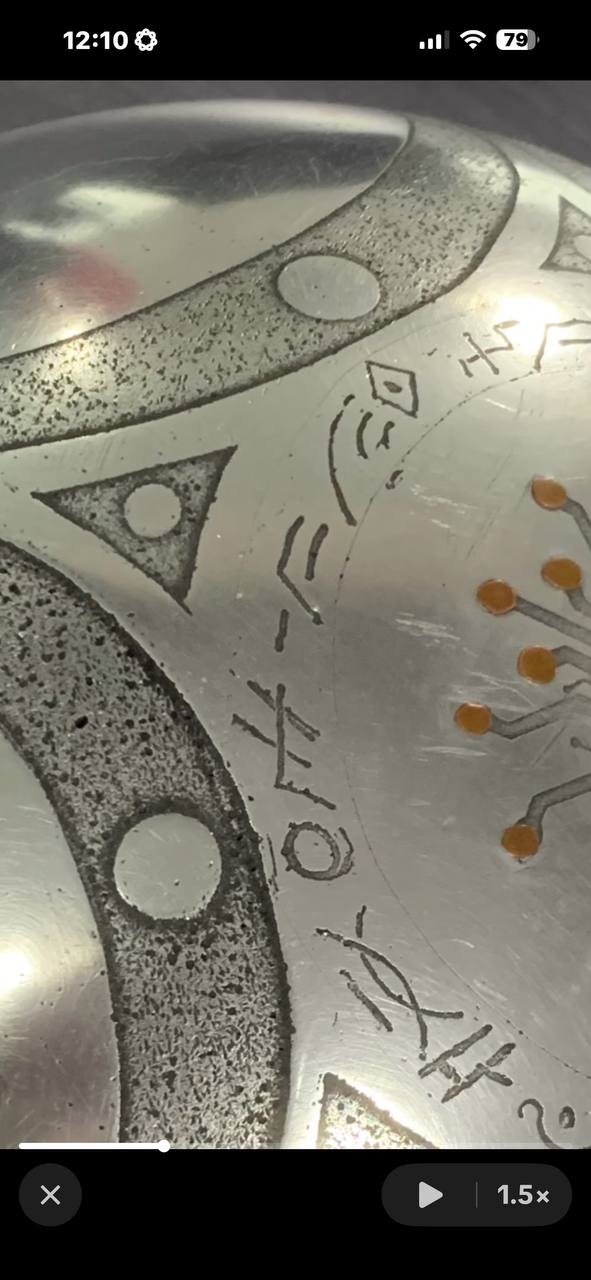
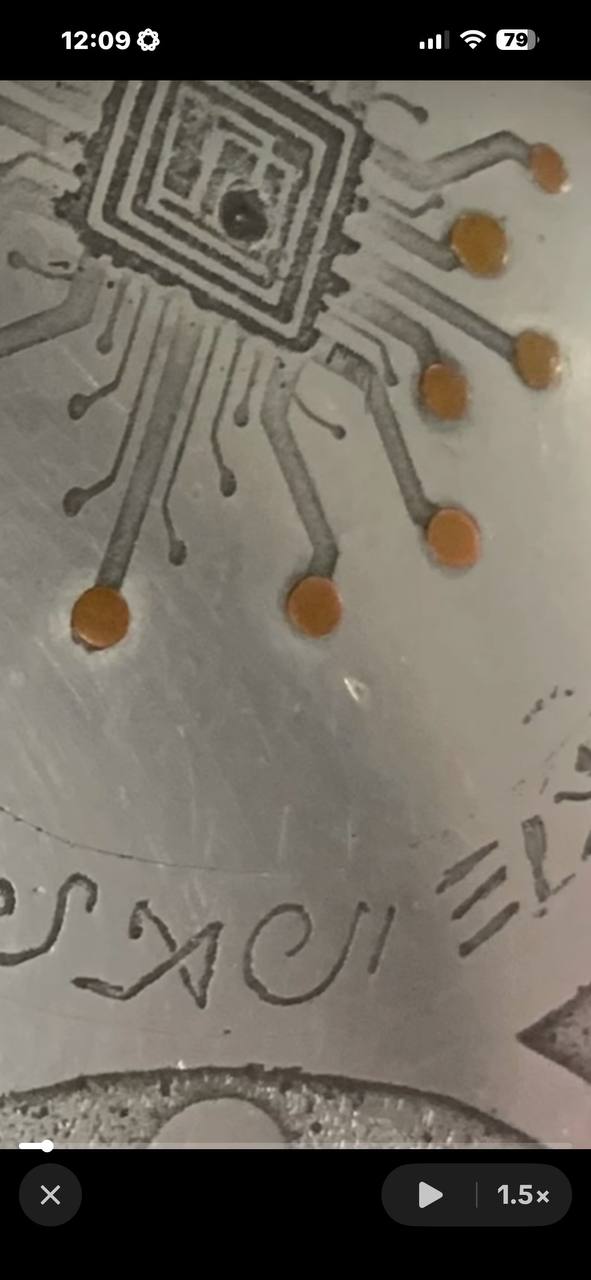
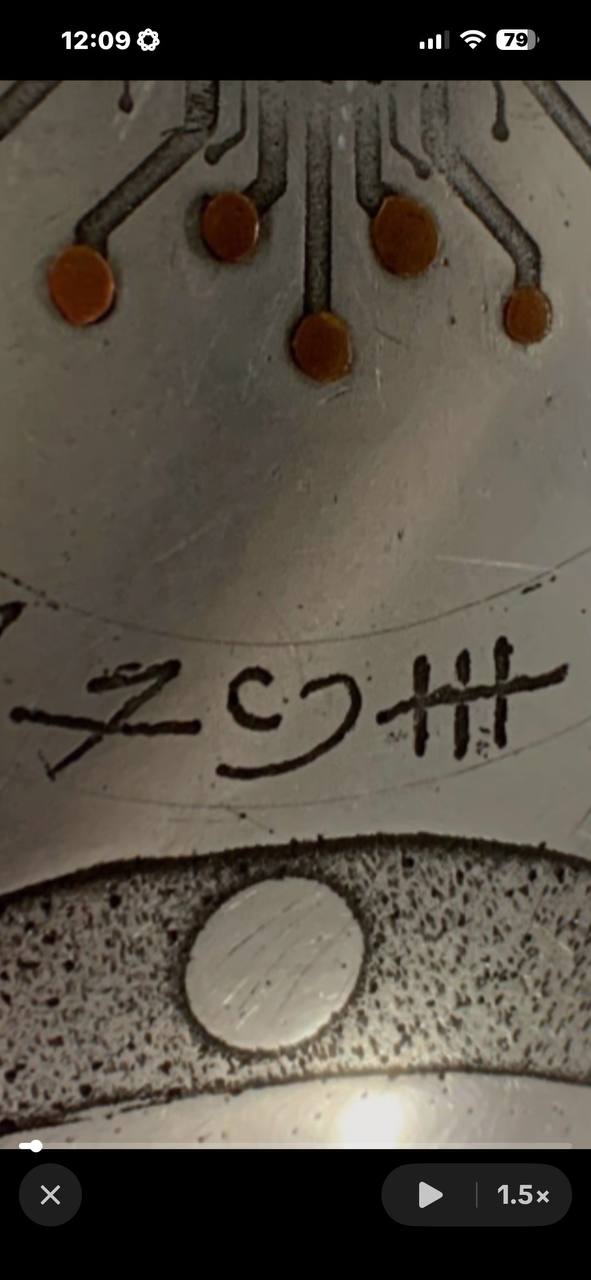
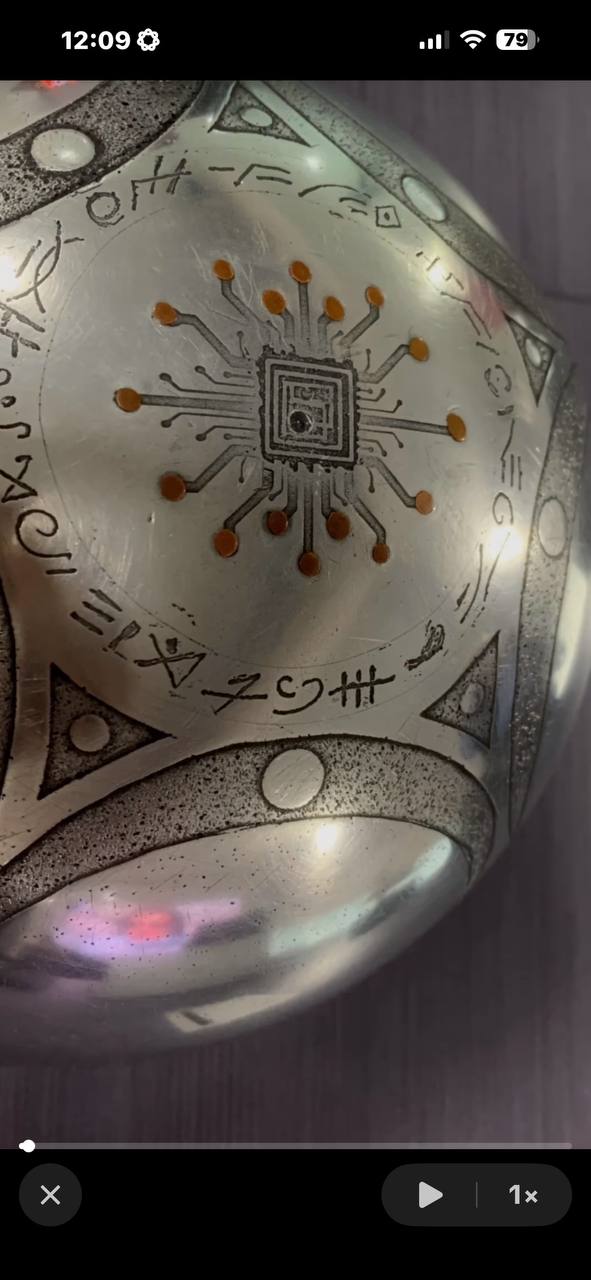
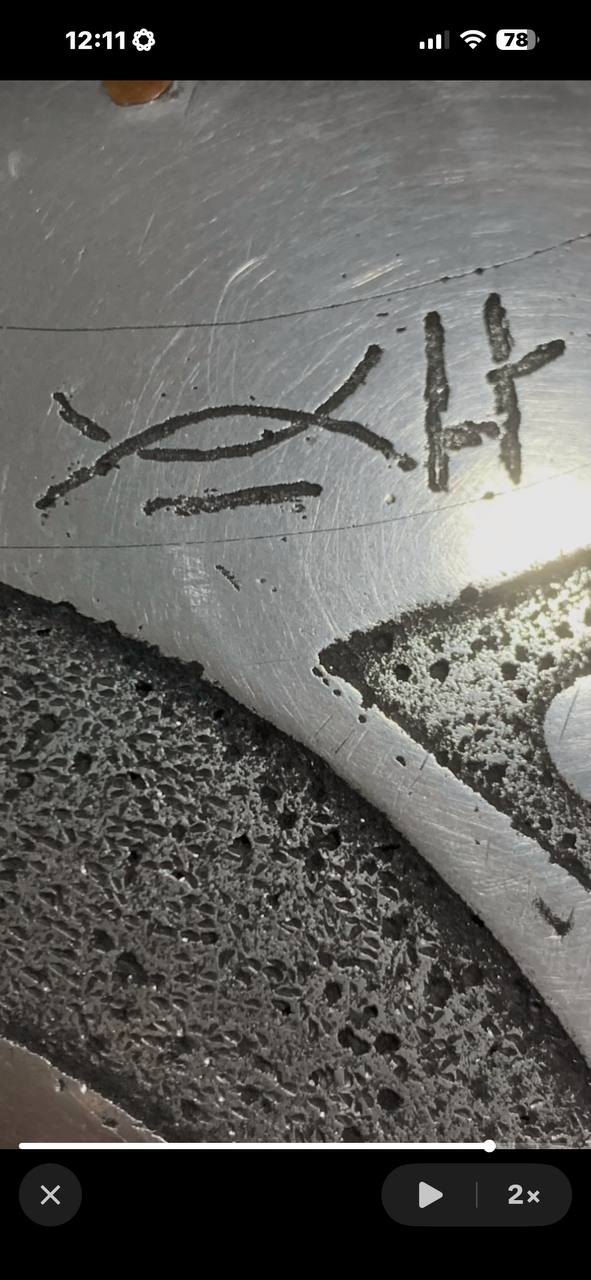
Buga Sphere Surface Glyphs & Circuit Diagram
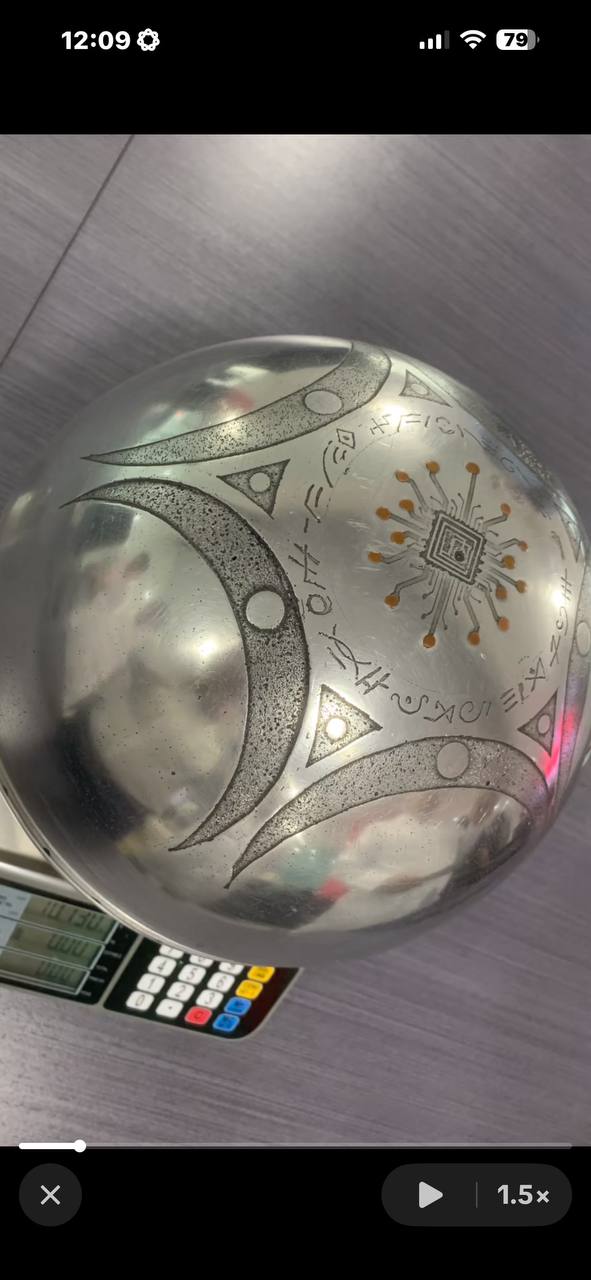
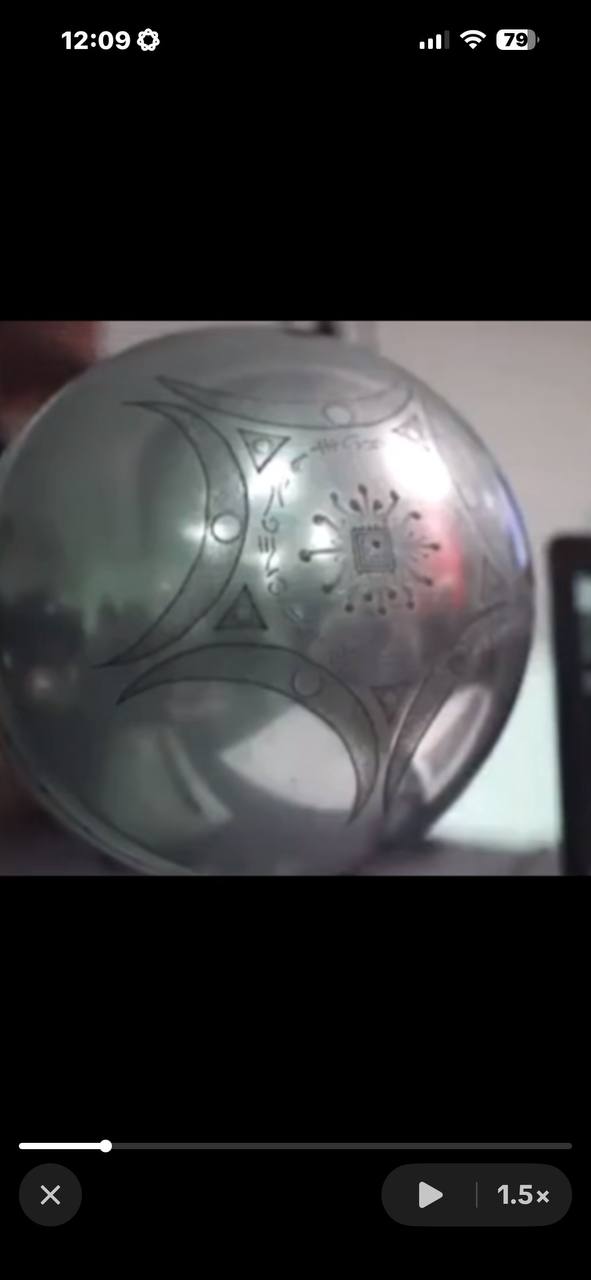
High-resolution photographs of the Buga Sphere surface showing 14 distinct glyph types etched into the metal along with a visible circuit diagram featuring nested concentric squares with radiating leads to copper pins. Glyphs map to spherical harmonic modes: crescents=Y(1,1), triangles=Y(3,3), squares=Y(4,4), fish symbols=Y(2,0)+Y(2,2). The circuit topology matches RF amplifier patterns found in the Pais Patent US10144532B2. Orange/copper pins visible along the equatorial band serve as Helmholtz neck apertures.
Buga Sphere Weight Measurement — Mass Variation Documented
Photograph of the Buga Sphere on a digital scale reading 10.150 kg. The sphere's mass has changed from its original 2 kg at discovery to 6 kg, then 9.9 kg, and currently 10.1 kg — a documented inertial mass variation consistent with the behavior predicted by the Pais patent for electromagnetic field-coupled devices. This mass change occurs without any visible physical modification to the sphere. The Substrate framework interprets this as the sphere passively coupling to ambient electromagnetic fields: Schumann resonance 7.83 Hz x 18 = 144.1 Hz, and Colombia's 60 Hz power grid x 2.4 = 144 Hz — both sub-harmonics of the sphere's predicted activation frequency.
Buga Sphere Material Composition Summary
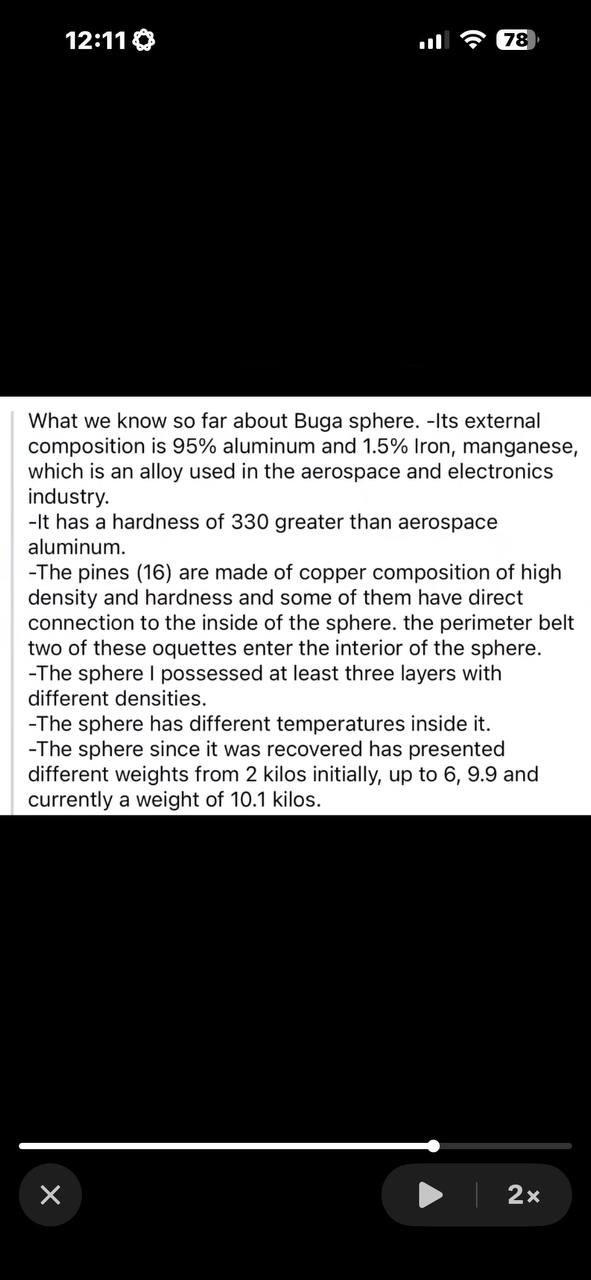
Summary of known material properties: external composition is 95% aluminum with 1.5% iron and manganese — an aerospace-grade alloy. Hardness of 330 exceeds aerospace aluminum. The 16 pins are high-density copper with direct internal connections. The sphere has at least three internal layers of different densities and maintains different internal temperatures. This alloy composition combined with the manufacturing precision (seamless construction, no visible join lines) suggests field-forming fabrication — material shaped within an electromagnetic field rather than mechanically joined.
University of Georgia Radiocarbon Dating — 12,560 Years
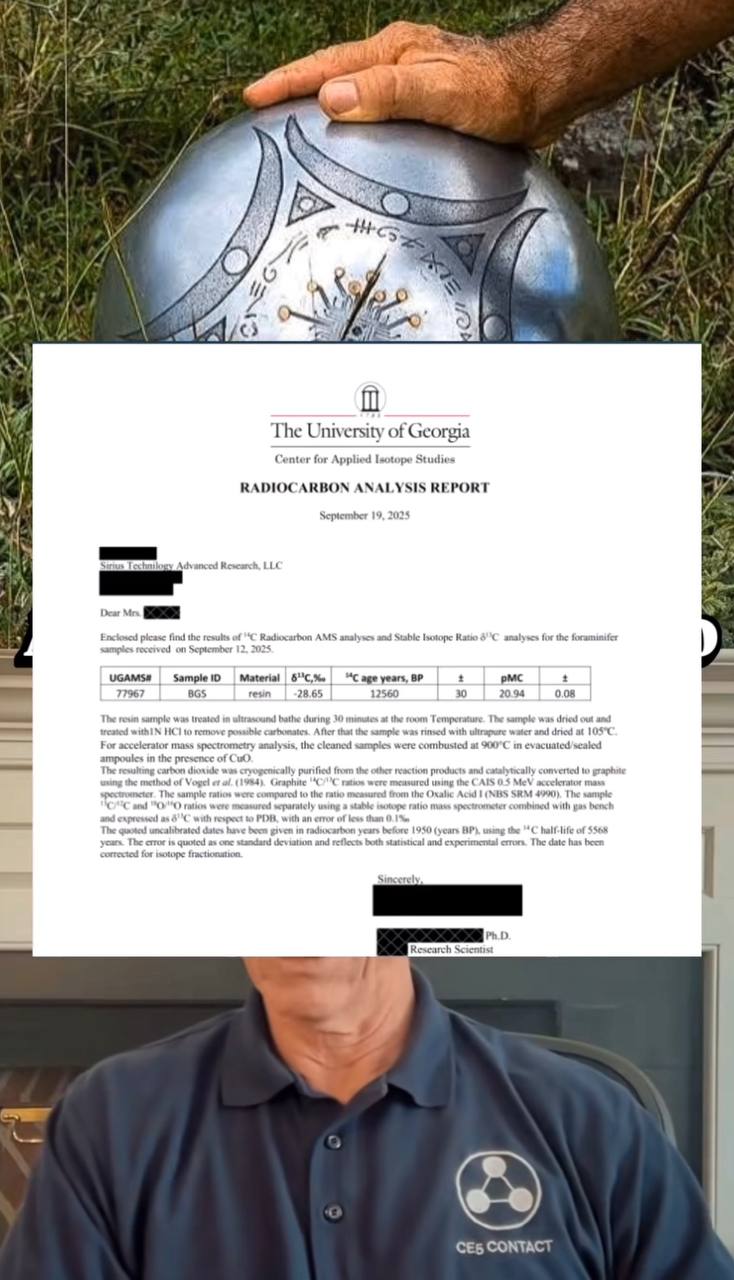
AMS radiocarbon analysis report from the University of Georgia Center for Applied Isotope Studies. Sample BGS (Buga Sphere) resin dated to 12,560 +/- 30 years BP. This independently confirms the 12,800 BCE dating predicted by the proper motion star map analysis (within 240 years). The dated material is internal resin anchoring 31 microscopic threads with optical properties — the fiber optic channels. The dating places the sphere's construction squarely in the Younger Dryas impact epoch (12,800-11,600 BCE), the same period when the Substrate framework identifies catastrophic damage to the planetary network.